
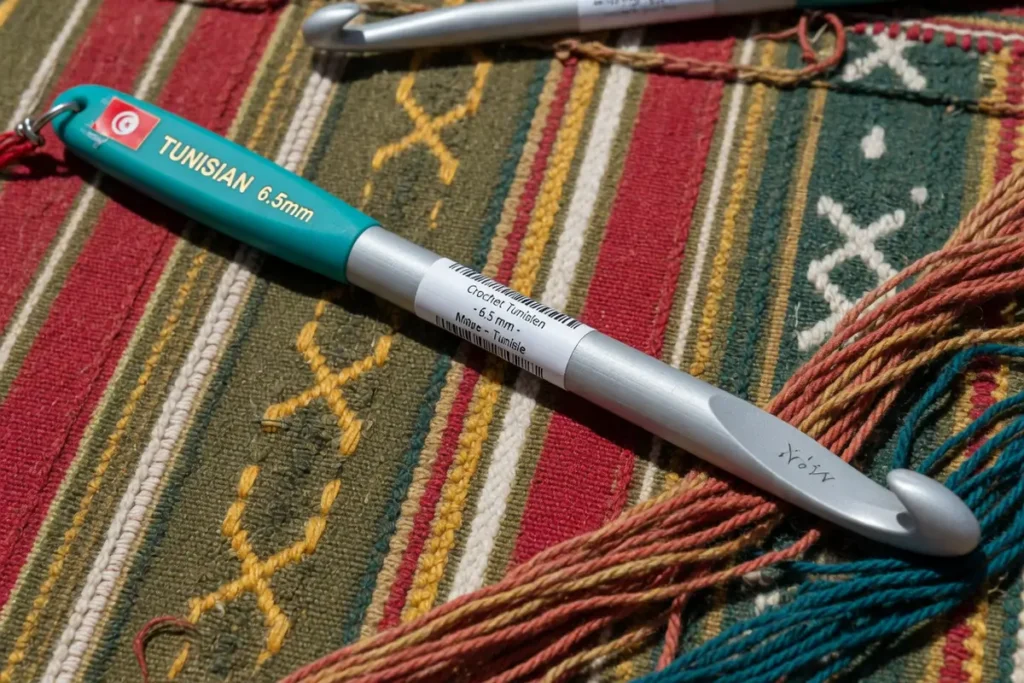
Crochet hook for tunisian crochet. So you saw some gorgeous Tunisian crochet blanket on Pinterest and thought, “I need to learn this.” Same. But then you looked up what hook you need and suddenly there are these long sticks with cables and stops and… what even is happening? Let me break it down for you because I was super confused at first too.
Wait, Why Can’t I Just Use a Normal Crochet Hook?
Here’s the thing with Tunisian crochet — you pick up a bunch of loops and keep them all on your hook at once. Like, all of them. For a whole row. If you’ve ever done regular crochet, you know you usually only have one or two loops on your hook. Tunisian? Could be 20, 50, 200 loops depending on your project.
So yeah, a normal 6-inch hook isn’t gonna cut it. You need something longer. Way longer.
The Basic Hook Types (And When You Need Each)
1. Tunisian Hook with a Cable (The Standard One)
This is your bread and butter. It’s basically a regular crochet hook but with a long, flexible cable attached to the end. The cable has a stopper so your loops don’t slide off.
- Length: Usually 24 to 32 inches total
- Best for: Blankets, big shawls, anything wide
- Why you want it: Holds tons of loops without being awkward to manage
I started with one of these and honestly? It’s what I use 90% of the time.
2. The Straight Long Hook (Afghan Hook)
This looks like someone stretched a regular crochet hook. It’s just… long. No cable, no stopper usually, just a straight metal or plastic rod with a hook on one end.
- Length: 10 to 14 inches
- Best for: Small practice swatches, narrow scarves, dishcloths
- Why it’s annoying: Your loops can slide off the back if you’re not careful
I have a couple of these but I barely touch them anymore. The cable ones are just better.
3. Double-Ended Tunisian Hook
Okay, this one’s kinda cool. Hook on both ends, usually with a cable in the middle or just a long straight rod. You can work with two colors at once or do some fancy reversible stuff.
- Best for: Reversible patterns, two-color work, when you wanna feel like a pro
- Honestly? A bit extra for beginners. Get the basics down first.
4. Interchangeable Sets
These are like the Swiss Army knife of Tunisian crochet. You get a bunch of different hook sizes and different cable lengths, and you snap them together however you want.
- Best for: People who get obsessed and want to make everything
- Pricey? Yeah, kinda. But worth it if you’re serious about this craft
Brands like Knitter’s Pride, Denise, and Chiaogoo make solid sets.
What Size Hook Should You Even Buy?
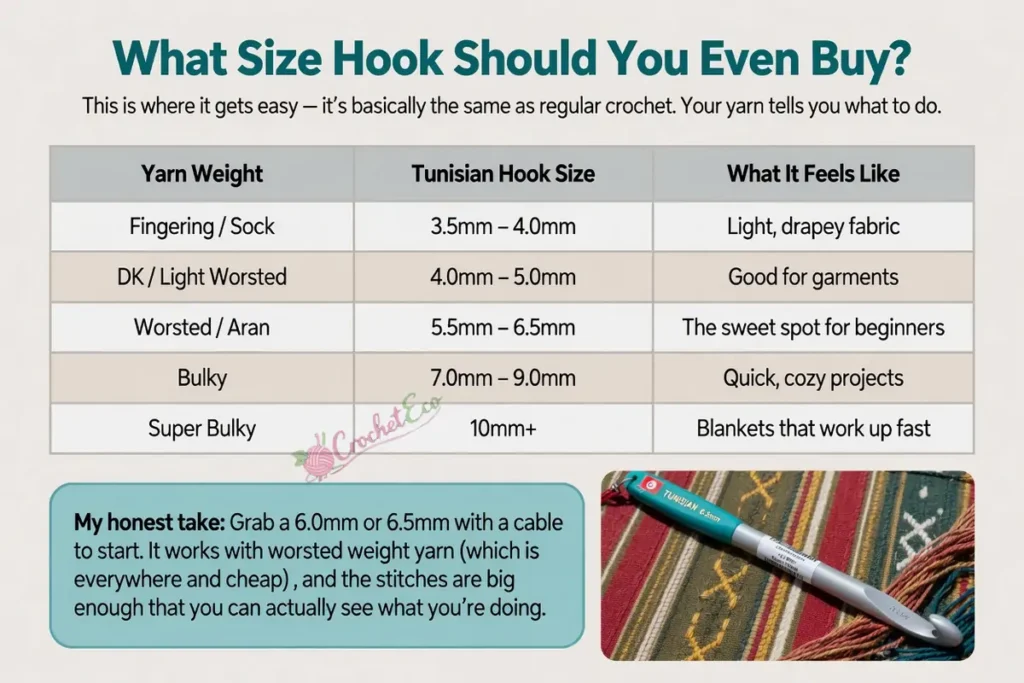
This is where it gets easy — it’s basically the same as regular crochet. Your yarn tells you what to do.
| Yarn Weight | Tunisian Hook Size | What It Feels Like |
|---|---|---|
| Fingering / Sock | 3.5mm – 4.0mm | Light, drapey fabric |
| DK / Light Worsted | 4.0mm – 5.0mm | Good for garments |
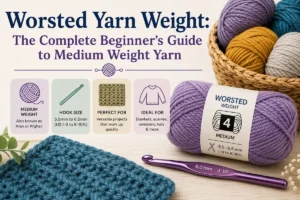
| Worsted / Aran | 5.5mm – 6.5mm | The sweet spot for beginners |
| Bulky | 7.0mm – 9.0mm | Quick, cozy projects |
| Super Bulky | 10mm+ | Blankets that work up fast |
My honest take: Grab a 6.0mm or 6.5mm with a cable to start. It works with worsted weight yarn (which is everywhere and cheap), and the stitches are big enough that you can actually see what you’re doing.
Material Matters (More Than You Think)
Metal Hooks
- Super smooth, stitches glide right off
- Can be cold and slippery if your hands sweat
- My personal favorite for speed
Wood / Bamboo
- Warm in your hands, great grip
- Stitches don’t slide as much — good for beginners
- Can snag if the finish is rough
Plastic / Acrylic
- Cheap, lightweight
- Sometimes the hook part is too blunt and splits yarn
- Fine for learning, but you’ll probably upgrade
Ergonomic Handles
- Oh my gosh, yes. If you have hand pain, get one with a cushy handle
- Tunisian crochet uses more hand movement than regular crochet
- Your wrists will thank you after hour three of a blanket
The Stuff Nobody Tells You
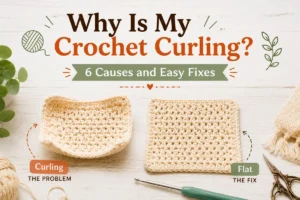
Your fabric will curl. Like, aggressively curl. It’s just what Tunisian crochet does — the forward pass pulls everything tight. Don’t panic. Blocking fixes it, or you can add a border later. I thought I was doing something wrong for weeks. Nope, totally normal.
You need more yarn than you think. Tunisian crochet is denser than regular crochet. If a regular scarf takes 2 skeins, plan on 3 for Tunisian. Don’t be me, standing in the yarn aisle realizing I need to buy more and they don’t have the same dye lot.
The hook size affects drape a lot. Go up a size or two from what the yarn label says if you want something flowy. Tunisian fabric is naturally stiff, so a bigger hook helps loosen things up. I learned this after making what was basically a crocheted plank.
You can do Tunisian in the round. But you need a super long cable and you work it kind of inside-out. It’s weird. Save it for after you’ve got the flat stuff down.
What I Actually Bought When I Started
Look, I didn’t wanna drop a ton of cash on something I might hate. So here’s my starter kit:
- One 6.5mm Tunisian hook with a 24-inch cable — about $8
- One 5.0mm for lighter projects — another $8
- A cheap set of straight long hooks from Amazon — like $12 for 8 sizes
Total investment? Under $30. And that was enough to figure out if I liked it before buying fancy interchangeable sets.
Quick FAQ Because I Had These Questions Too
Can I use a knitting needle with a hook on the end? Technically? Yeah, if it’s the right size. But the transition from shaft to hook matters. A proper Tunisian hook has a smooth throat that helps you pick up stitches. Knitting needles… don’t.
Do I need different hooks for different Tunisian stitches? Nope. Same hooks, different techniques. The stitch names sound scary — TSS, TKS, TPS — but they’re just variations of where you put your hook.
Why is it called Afghan crochet sometimes? Old name. Same thing. “Tunisian” is what most people say now, but you’ll still see “Afghan hook” in some stores.
Can I make anything other than blankets? Absolutely! Scarves, hats (worked flat then seamed), bags, even garments. Blankets are just the most popular because the fabric is so warm and solid.
Bottom Line
If you’re just dipping your toes in, get yourself a 6.0mm or 6.5mm Tunisian hook with a cable. That’s it. Don’t overthink it. Pair it with some cheap worsted weight yarn and make a practice swatch.
Tunisian crochet looks intimidating but it’s honestly just… picking up loops, working them off, repeat. The hook is just a tool to hold all those loops. Once you feel that first row of Tunisian Simple Stitch coming together, you’ll get why people love it.
And hey, if you hate it? At least you’ve got a weird long hook you can use to fish things out from behind the couch. Silver linings.

Reader discussion
Reader Comments
Tried this pattern? Share what worked, ask a question, or help another crocheter.
Your turn
Comments are moderated to keep the discussion useful and family-friendly. Please do not post personal information.