
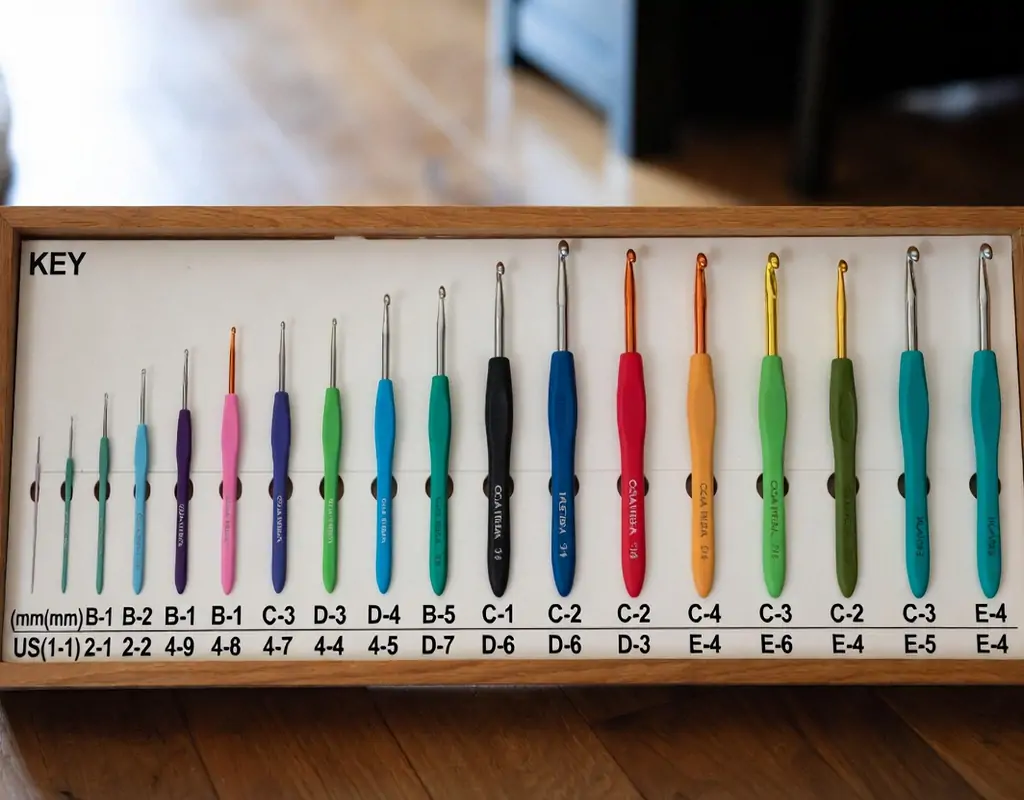
Hey there! So you just grabbed a crochet pattern and it says something like “use a US H-8 hook” — and you’re sitting there like, “What on earth does that even mean?” Don’t worry, I’ve been there. The world of crochet hook sizes is honestly kind of a mess, but once you get the hang of it, it’s actually pretty simple. Let me walk you through everything I wish someone had told me when I started.
Why Are Crochet Hook Sizes So Confusing?
Here’s the thing: depending on where you live (or where your pattern came from), crochet hooks are labeled totally differently. The US uses letters and numbers, the UK used to use descending numbers (which is backwards, I know), Japan uses ascending numbers, and most modern hooks use metric millimeters. It’s honestly ridiculous.
So yeah, a US H-8, a UK 6, and a 5.00mm hook? Same thing. Wild, right?
The Crochet Hook Size Chart You Actually Need
I made this chart based on the most common hooks you’ll actually run into. Pin it, screenshot it, tattoo it on your arm — whatever works.
Table
| Metric (mm) | US Size | Old UK Size | Japan | What It’s Used For |
|---|---|---|---|---|
| 2.00 mm | — | 14 | 2/0 | Thread crochet, doilies, lace |
| 2.25 mm | B/1 | 13 | 3/0 | Fine thread work |
| 2.50 mm | — | 12 | 4/0 | Lace weight projects |
| 2.75 mm | C/2 | 11 | — | Light lacework |
| 3.00 mm | — | 11 | 5/0 | Fingering weight yarn |
| 3.25 mm | D/3 | 10 | — | Sock yarn, light projects |
| 3.50 mm | E/4 | 9 | 6/0 | Sport weight yarn |
| 3.75 mm | F/5 | — | — | Baby items, light garments |
| 4.00 mm | G/6 | 8 | 7/0 | DK weight — super common |
| 4.25 mm | G/6 | — | — | Slightly thicker DK |
| 4.50 mm | 7 | 7 | 7.5/0 | Worsted weight, scarves |
| 5.00 mm | H/8 | 6 | 8/0 | The beginner sweet spot |
| 5.50 mm | I/9 | 5 | 9/0 | Worsted/Aran projects |
| 6.00 mm | J/10 | 4 | 10/0 | Bulky blankets, quick projects |
| 6.50 mm | K/10.5 | 3 | — | Chunky yarn |
| 7.00 mm | — | 2 | — | Super bulky |
| 8.00 mm | L/11 | 0 | — | Really chunky stuff |
| 9.00 mm | M/N/13 | 00 | — | Jumbo yarn |
| 10.00 mm | N/P/15 | 000 | — | Arm crochet territory |
| 12.00 mm | O/17 | — | — | Extreme bulk |
| 15.00 mm | P/Q | — | — | Giant yarn projects |
| 19.00 mm | S | — | — | Basically rope at this point |
Sources:
Okay, But What Size Do I Actually Need?
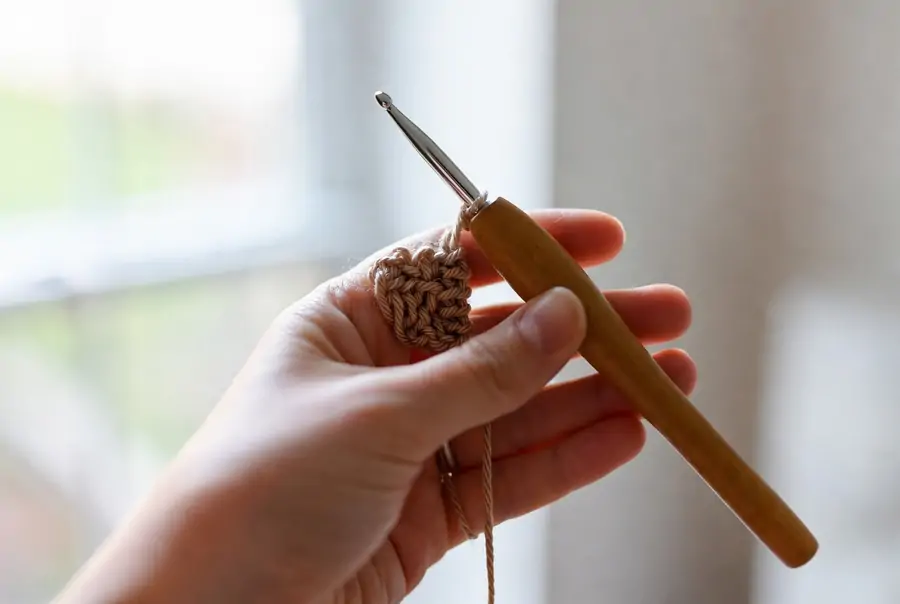
Here’s my honest advice: start with a 5.00mm (US H-8) hook. It’s the Goldilocks size — not too small, not too big, and it works with the most common yarn weight (medium/worsted). Most beginners I know started here, and it just makes learning so much easier.
But here’s the thing — your yarn label is your best friend. Flip that skein over and it’ll tell you the recommended hook size. Usually. Sometimes it only lists knitting needle sizes and completely ignores us crocheters, which is annoying but whatever.
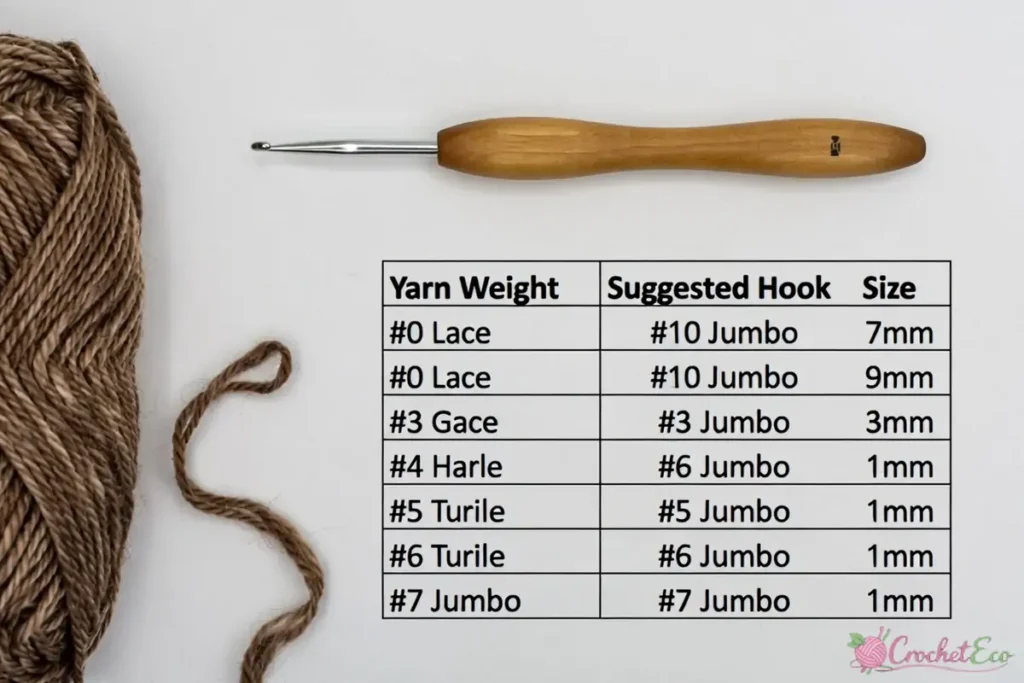
Hook Size + Yarn Weight = The Magic Combo
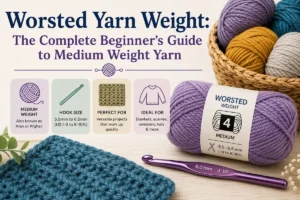
Let me break this down super simply. The thicker your yarn, the bigger your hook needs to be. That’s basically it.
Table
| Yarn Weight | Yarn Type | Suggested Hook Size |
|---|---|---|
| #0 Lace | Thread, cobweb | 1.50–2.50 mm |
| #1 Super Fine | Fingering, sock | 2.75–3.25 mm |
| #2 Fine | Sport, baby | 3.50–3.75 mm |
| #3 Light | DK, light worsted | 4.00–5.00 mm |
| #4 Medium | Worsted, Aran | 5.50–6.50 mm |
| #5 Bulky | Chunky | 7.00–9.00 mm |
| #6 Super Bulky | Super chunky | 10.00–12.00 mm |
| #7 Jumbo | Roving, extreme | 15.00 mm+ |
Pro Tips From Someone Who’s Made Every Mistake
1. Always check the metric size. Letters can be weird — like, both 4.00mm and 4.25mm are labeled G/6 in the US. That’s just… why? So if a pattern is specific about gauge, go by the millimeter measurement.
2. Your tension matters. I crochet pretty tight, so I usually go up half a size from what the pattern says. My friend crochets like she’s trying to make a fishing net, so she goes down. Make a gauge swatch — yeah, I know it’s boring, but it’ll save you from making a hat that fits a watermelon.
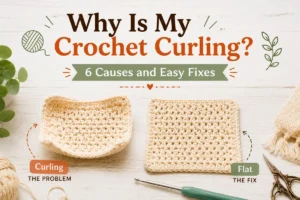
3. Going up or down creates totally different fabrics. Bigger hook = looser, airier, more drape. Smaller hook = tighter, denser, more structured. I once made an amigurumi bunny with a hook that was way too big, and the stuffing was literally poking through the stitches. Not cute.
4. Don’t switch hooks mid-project. I learned this the hard way. I lost my hook, grabbed what I thought was the same size, and ended up with a scarf that looked like it had a growth spurt in the middle. Now I buy duplicates of my favorites.
What If My Hook Doesn’t Have a Size On It?
Oh, this is fun. If you inherited some hooks from your grandma (bless her) and they have no markings, grab a crochet hook gauge. It’s this little plastic thing with holes in it — you stick your hook through until you find the one that fits snugly, and boom, you know your size.
Eyeballing it? Don’t. The difference between a 4.00mm and a 4.50mm is tiny to look at, but it’ll totally change your project.
Steel Hooks vs Regular Hooks — Quick Note
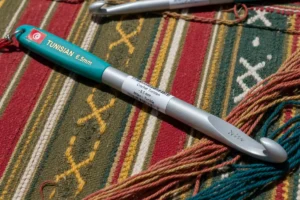
Steel hooks are a whole different thing. They’re for thread crochet (think doilies, tablecloths, that kind of delicate stuff). They don’t use letters — just millimeters, usually from 0.6mm up to 3.25mm. The numbering is actually backwards from regular hooks: the smaller the number, the bigger the hook. Because crochet wasn’t confusing enough already.
Bottom Line
Here’s what I want you to remember:
- 5.00mm (H-8) is your beginner bestie
- Always check the yarn label for recommendations
- Metric (mm) is the most reliable — letters and numbers vary by brand
- Make a gauge swatch if the finished size actually matters
- Keep a conversion chart handy — you’ll need it more than you think
Crochet hook sizes aren’t rocket science, but they do take a minute to wrap your head around. Once you do, though? You’ll be converting US to UK to metric in your sleep.
Now go grab that hook and make something awesome. And if you end up with a weirdly shaped scarf? We’ve all been there. Just call it “artsy” and keep going.

Reader discussion
Reader Comments
Tried this pattern? Share what worked, ask a question, or help another crocheter.
Your turn
Comments are moderated to keep the discussion useful and family-friendly. Please do not post personal information.